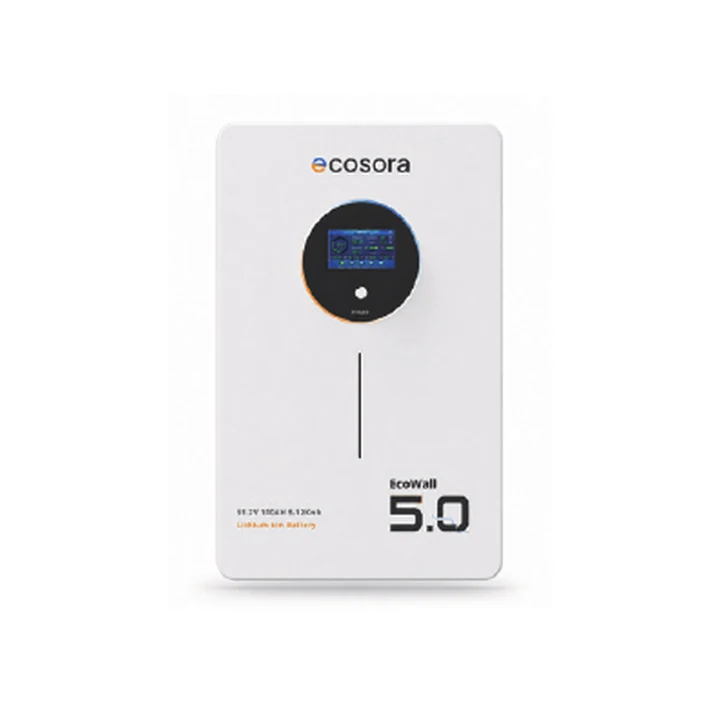
Ecosora EcoWall 5.0
51.2 V · 100 Ah · 5.12 kWh
View model
Compare Ecosora 51.2 V EcoWall home energy storage batteries and 12.8 V or 25.6 V LiEco LiFePO₄ batteries by voltage, capacity and documented current limits.
Check each model’s documentation for the application, power rating and market variant.
| Model | Voltage | Capacity | Rated energy | BMS rating | Max. continuous discharge |
|---|---|---|---|---|---|
| EcoWall 5.0 | 51.2 V | 100 Ah | 5.12 kWh | 100 A | 100 A |
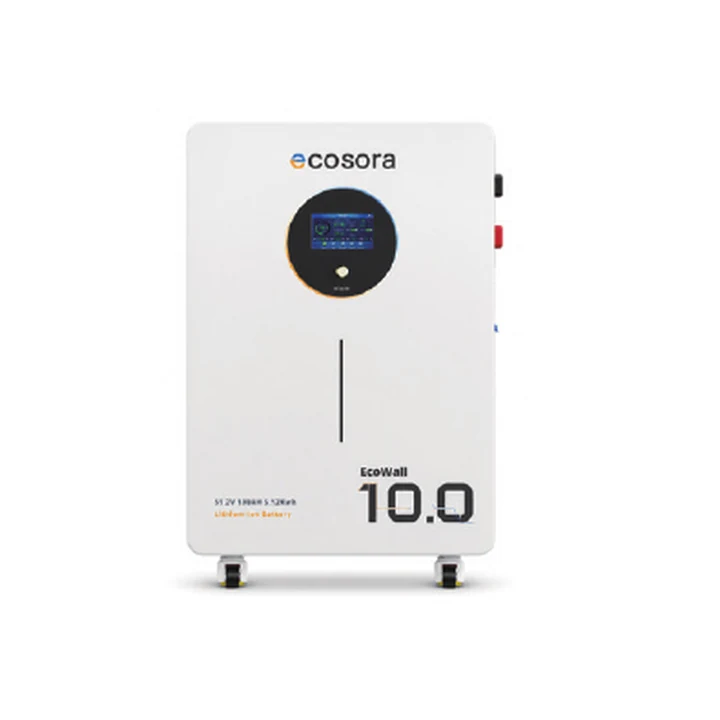
| EcoWall 10.0 | 51.2 V | 200 Ah | 10.24 kWh | 200 A | 100 A |
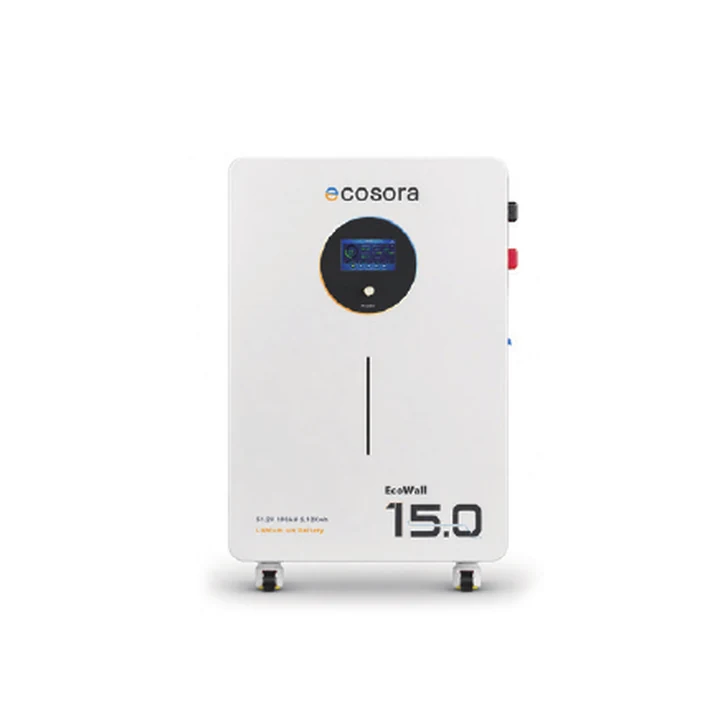
| EcoWall 15.0 | 51.2 V | 300 Ah | 15.36 kWh | 200 A | 200 A |
The EcoWall 10.0 doubles the rated energy of the 5.0 to 10.24 kWh. Both list 100 A maximum continuous discharge. The EcoWall 15.0 lists 200 A.
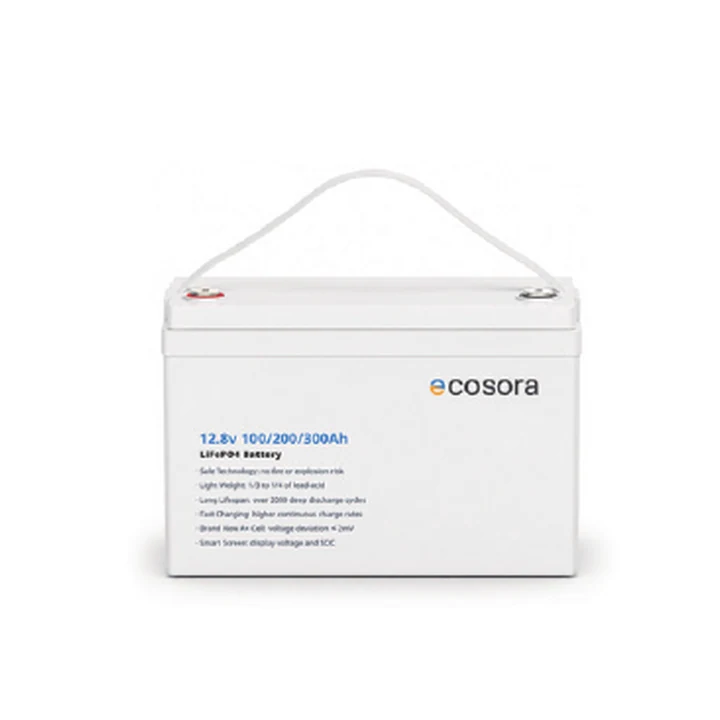
The LiEco series lists 100 Ah, 200 Ah and 300 Ah at 12.8 V, and 100 Ah and 200 Ah at 25.6 V. Confirm the model’s charge profile and current limit against the intended application.
For a lithium RV battery, start with the existing DC bus, compatible charging equipment and space in the battery compartment. For stationary solar storage, include enclosure and inverter communication requirements.
If you are comparing LiFePO4 batteries, confirm the model chemistry and datasheet rather than inferring it from an application name. A battery for auxiliary loads must meet the documented use case before it is considered for vehicle starting.
| Specification group | What to verify |
|---|---|
| Pack | Chemistry, nominal voltage, operating range, Ah and usable energy |
| Discharge | Continuous current and short-duration limits, including the BMS limits |
| Charging | Allowed charge current and temperature range, with charger compatibility |
| Integration | Mounting, terminals, communication protocol and supplier documentation |
Record the expected loads and runtime, then check both usable energy and permitted current. A bank may have enough energy for a load while falling short of its startup current.
Use the inverter battery sizing guide to prepare the load and current requirements.
Provide the intended DC voltage, runtime or capacity, expected current and installation type.