
Solutions
Find the right starting point for vehicle power, RV travel, home backup, or off-grid solar. Choose the application, check the electrical requirements, and use the catalog to prepare a request for the exact configuration.
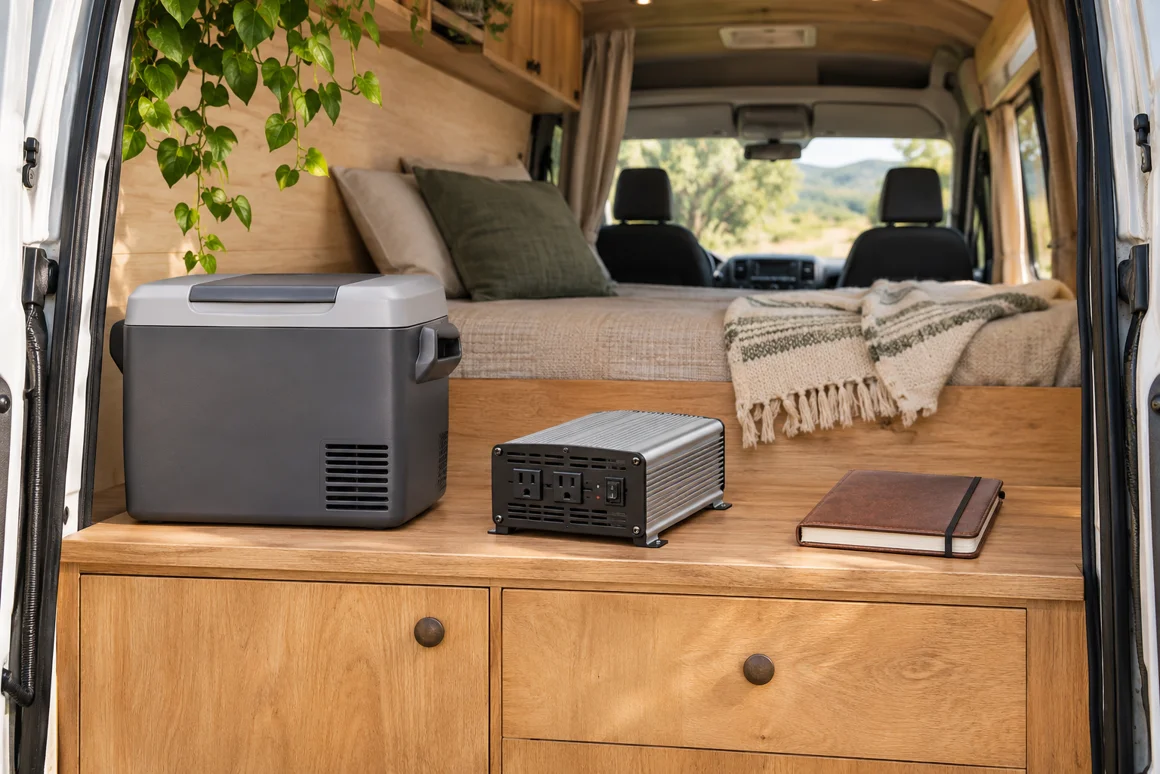
Vehicle & fleet power
Start with the vehicle's electrical system and the tools or devices you need to run together. Check combined running demand and the highest startup demand before comparing models. For work vehicles, record the battery system and how you plan to recharge it during a shift.
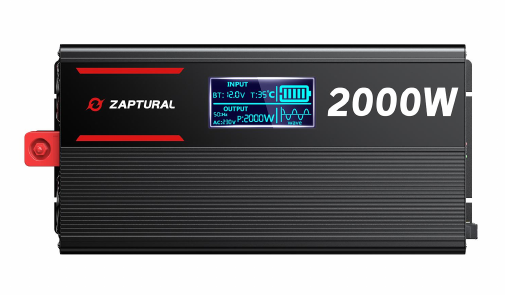
The supplied sheet lists 2,000 W continuous output, 12.8 V rated DC input, and a pure sine wave output. Request the exact AC output voltage and outlet configuration for your destination market before ordering.
RV & camping power
Plan around the outlets and appliances you want to use away from shore power. Record the battery-bank voltage, required runtime, and which loads must run together. If charging from shore power or changing power sources matters to your setup, include it in the request.
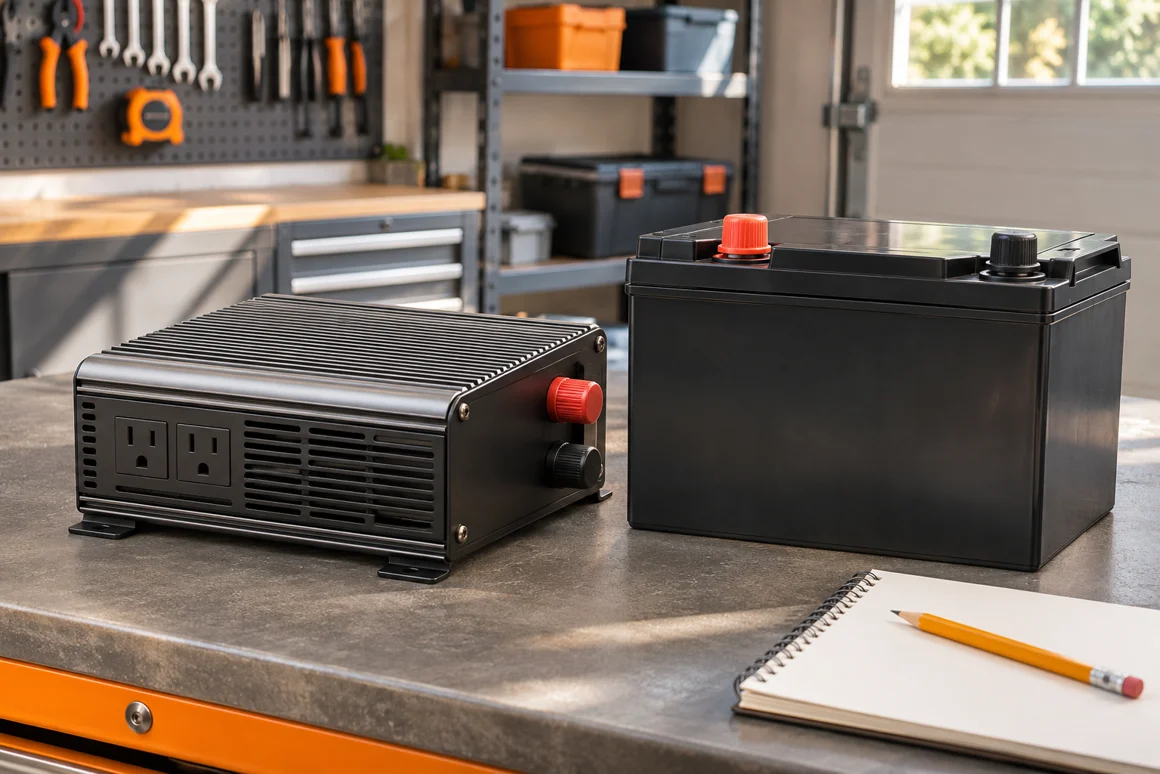
Home backup & split phase
List the circuits you want to keep running and identify any 240 V loads. Ask your installer to verify the proposed configuration and the battery and backup-circuit requirements for your location.
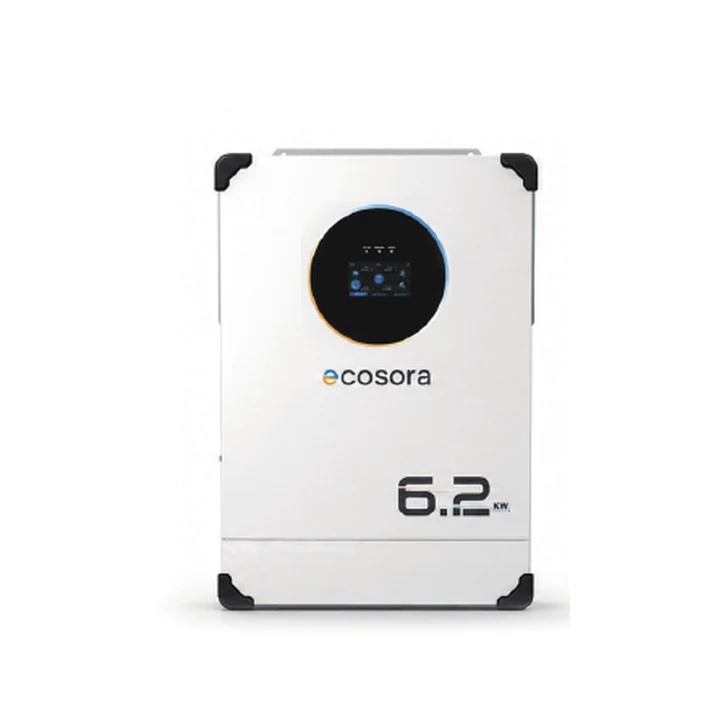
The Ecosora GES4862M120-500 specification lists 6.2 kW rated output in 120/240 V split-phase mode. Check the model's battery and PV input requirements if your project includes storage or solar.
Off-grid solar & storage
Start with daily energy use and the number of hours you need backup power. Then compare the PV array, battery, controller, and inverter as a system. Ask the supplier to confirm battery communication, charge-controller limits, and the exact inverter and battery pairing.
What to include in your request
Prepare the details below before opening a product's request form. The catalog tool generates a copyable RFQ brief you can share with your supplier or installer.
- Destination market and expected order quantity
- Application, devices or circuits, expected runtime, and startup demand
- DC source or battery model and voltage, and the AC voltage and outlet or service type
- Required documentation, including any local approval or model-specific test report
Agent prompt
Help me prepare an inverter specification request using https://zaptural.com/solutions/. My application is [vehicle, RV, home backup, or off-grid solar] in [country]. My loads, running watts, startup requirements, and target runtime are [details]. My battery or other DC source is [voltage and capacity]. My AC loads need [voltage, frequency, outlet or circuit type]. Use the linked model and catalog references to identify candidate equipment and list what I still need to confirm with the supplier. Treat the application sheet and the exact regional SKU as separate evidence. Return a short project brief I can share for a quote.
Frequently asked questions
Can I use the 2,000 W and 6.2 kW references for the same installation?
The 2,000 W iron-gray reference specifies a 12.8 V rated DC input. The Ecosora 6.2 kW reference is a 120/240 V split-phase hybrid inverter. Compare the exact DC input, AC output and installation requirements before selecting either unit.
Talk Through Your Power Setup
Share your application, power requirements, and destination market.